Understanding DC Pumps in Fluid Transfer Systems
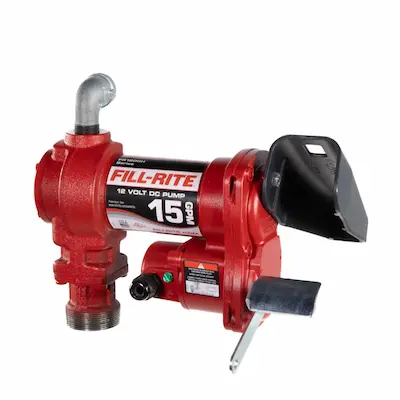
DC pumps are electrically powered fluid transfer devices that operate on direct current, offering precise control and energy efficiency in compact packages. These versatile pumps enable reliable liquid movement in applications ranging from portable equipment to renewable energy systems. From miniature diaphragm pumps to high-power centrifugal designs, DC pump technology serves critical functions in automotive, medical, marine, and off-grid applications. This comprehensive guide explores DC pump types, operating principles, performance characteristics, and their diverse industrial and commercial uses.
DC Pump Key Specifications
Proper DC pump selection requires understanding these critical parameters that determine performance in various applications.
| Specification | Description | Considerations |
|---|---|---|
| Voltage Range | Operating voltage (typically 6V, 12V, 24V, or 48V DC) | Must match available power source with proper margin |
| Flow Rate | Maximum output (GPH or LPH) at specified head pressure | Must meet system requirements with safety factor |
| Head Pressure | Maximum vertical lift capability (feet or meters) | Determines ability to overcome system resistance |
| Current Draw | Operating amperage at various load conditions | Affects power supply sizing and battery life |
| Port Size | Inlet/outlet connection diameters (NPT, barb, etc.) | Must match existing tubing/piping system |
| Fluid Compatibility | Materials resistant to pumped liquid chemistry | Prevents corrosion and premature failure |
| Temperature Range | Minimum/maximum fluid and ambient temperatures | Must accommodate operating environment |
| Control Options | On/off, PWM speed control, or smart interfaces | Determines integration with control systems |
DC Pump Installation & Maintenance
Proper installation and maintenance practices ensure DC pumps deliver reliable performance throughout their service life.
Electrical Connections
Ensure proper polarity and adequate wire gauge.
- Warning: Reverse polarity can damage pump motors
- Tip: Use waterproof connectors for outdoor installations
Inlet Protection
Install strainers or filters to prevent debris entry.
- Action: Clean filters regularly to maintain flow
- Tip: Size filters for minimal pressure drop
Priming Requirements
Some pumps require proper priming before operation.
- Warning: Dry running can damage pump internals
- Solution: Choose self-priming models when needed
Regular Inspection
Check for leaks, unusual noises, or performance changes.
- Frequency: Monthly for continuous duty pumps
- Check for: Corrosion, worn seals, or vibration
Winterization
Drain pumps exposed to freezing temperatures.
- Benefit: Prevents cracking from frozen liquid expansion
- Safety First: Follow manufacturer's winter storage guidelines
Preventive Maintenance
Follow manufacturer's schedule for seal/bearing replacement.
- Action: Keep spare wear parts for critical applications
- Note: Lubricate moving parts as specified
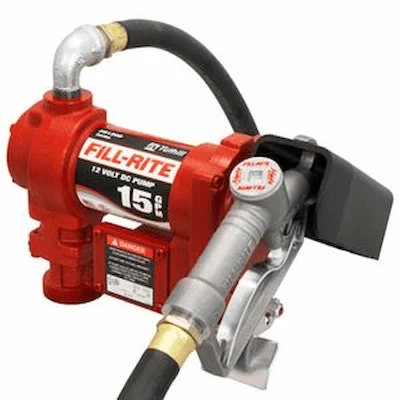
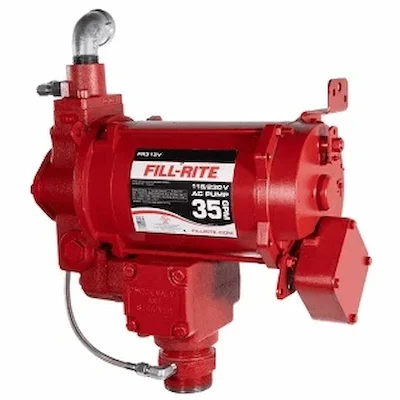
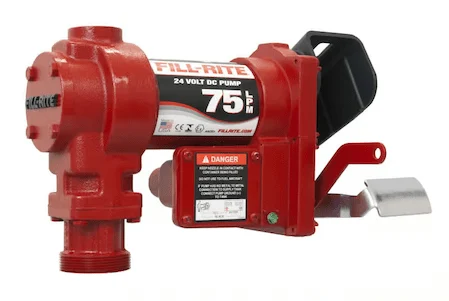
DC pump Display

Common DC Pump Applications