Understanding Flanges in Piping Systems

Flanges are critical connecting components in piping systems that allow for assembly, disassembly, and maintenance access. These circular or rectangular fittings with bolt holes create secure, leak-proof joints between pipes, valves, and equipment. From standard weld neck flanges to specialized lap joint and blind designs, flange connections serve essential functions in oil & gas, chemical processing, water systems, and industrial piping networks. This comprehensive guide explores flange types, materials, pressure ratings, facing finishes, and their diverse applications across industries.
Flange Key Specifications
Proper flange selection requires understanding these critical parameters that determine performance and compatibility.
| Specification | Description | Considerations |
|---|---|---|
| Pressure Class | 150#, 300#, 600#, 900#, 1500#, 2500# (ASME B16.5) | Must match or exceed system working pressure |
| Size | Nominal Pipe Size (NPS) from 1/2" to 60"+ | Must match connecting pipe diameter |
| Type | Weld neck, slip-on, socket weld, lap joint, blind, etc. | Determines installation method and application |
| Temperature Rating | Maximum working temperature at specified pressure | Material properties degrade at elevated temperatures |
| Bolt Circle & Hole Count | Diameter of bolt circle and number of holes | Must match mating flange dimensions |
| Facing | Raised face (RF), flat face (FF), ring-type joint (RTJ) | Affects gasket selection and sealing capability |
| Thickness | Flange thickness per ASME standards | Varies by pressure class and material |
| Material Grade | Carbon steel, stainless, alloy, or non-metallic | Must be compatible with fluid and environment |
Flange Installation & Maintenance
Proper installation and maintenance practices ensure flange joints remain leak-free throughout their service life.
Proper Alignment
Ensure precise alignment before tightening bolts.
- Warning: Misalignment causes uneven gasket compression
- Tip: Use alignment pins for large flanges
Bolt Torquing
Follow crisscross pattern and incremental tightening.
- Action: Use calibrated torque wrench
- Tip: Lubricate threads unless specified otherwise
Gasket Selection
Choose gasket material compatible with fluid and temperature.
- Warning: Wrong gasket can fail catastrophically
- Solution: Match gasket to flange facing type
Regular Inspection
Check for leaks, corrosion, or bolt loosening.
- Frequency: Quarterly for critical services
- Check for: Flange face erosion or damage
Corrosion Protection
Apply appropriate coatings or cathodic protection.
- Benefit: Extends service life in harsh environments
- Safety First: Include bolts in protection scheme
Rebolting Procedures
Retorque after initial heat cycles if needed.
- Action: Follow manufacturer's recommendations
- Note: Document all maintenance activities
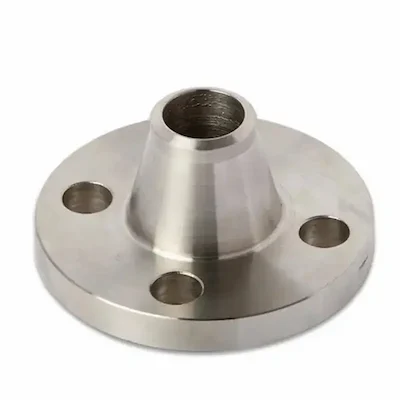
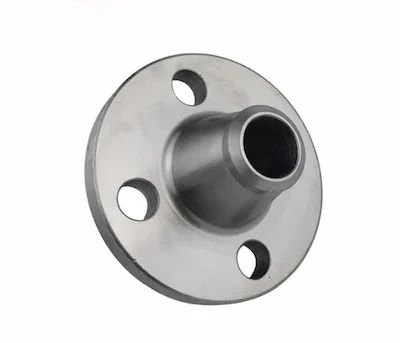
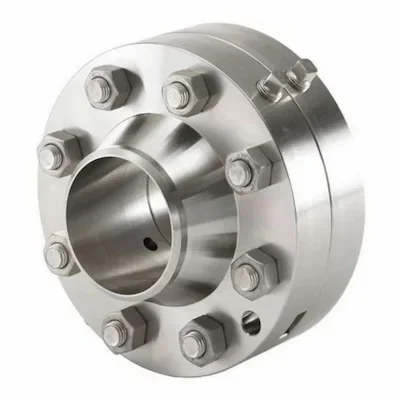
Flange Display
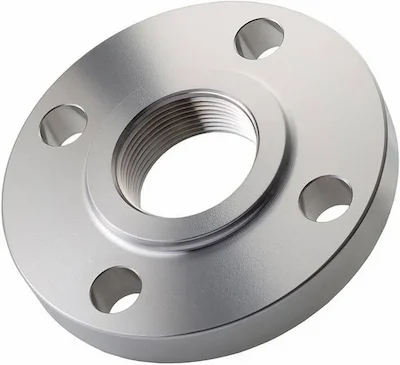
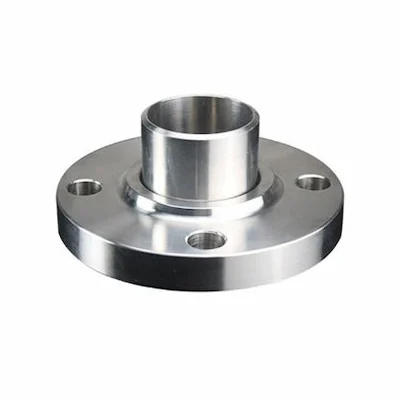
Common Flange Applications