Understanding Pipe Plugs in Pipeline Systems

Pipe plugs are essential safety devices designed to temporarily or permanently seal pipe ends during maintenance, testing, or system modifications. These versatile components come in various types including mechanical, inflatable, threaded, and pneumatic plugs, each suited for specific pressure ratings, pipe materials, and applications. From oil and gas pipelines to municipal water systems and industrial process lines, pipe plugs provide reliable isolation and pressure containment. This comprehensive guide explores pipe plug types, selection criteria, installation methods, and industry applications.
Pipe Plug Key Specifications
Proper pipe plug selection requires understanding these critical parameters for safe and effective pipe isolation.
| Specification | Description | Considerations |
|---|---|---|
| Pressure Rating | Working pressure (typically 50-5,000 PSI) | Must exceed system test requirements |
| Pipe Size Range | 1/2" to 60"+ diameter capacity | Match plug to actual internal pipe diameter |
| Temperature Range | -20°F to 500°F (-29°C to 260°C) | Affects seal material selection |
| Material Compatibility | Resistance to fluid chemistry | Prevents seal degradation and corrosion |
| Seal Type | Elastomer, metal-to-metal, or composite | Determines sealing effectiveness |
| Installation Method | Mechanical, pneumatic, or hydraulic | Depends on access and tool availability |
| Safety Factor | Burst pressure rating | Minimum 2:1 safety margin recommended |
| Standards Compliance | ASME, API, DIN, or other standards | Required for regulated industries |
Pipe Plug Installation & Maintenance
Correct installation and proper maintenance practices ensure pipe plugs provide reliable, long-term sealing performance.
Pipe Preparation
Clean and inspect pipe end before installation.
- Warning: Remove all burrs and sharp edges
- Tip: Measure actual ID at installation point
Proper Seating
Ensure complete and even contact with pipe wall.
- Action: Follow manufacturer torque specifications
- Tip: Mark insertion depth for visual verification
Pressure Testing
Verify seal integrity before system pressurization.
- Warning: Use gradual pressure increase
- Solution: Test to 1.5x working pressure
Inspection
Regular checks for leaks and seal condition.
- Frequency: Before each use for temporary plugs
- Check for: Cuts, cracks, or compression set
Lubrication
Use compatible lubricants for easier installation.
- Benefit: Reduces seal damage during installation
- Safety: Only use approved lubricants
Seal Replacement
Replace worn or damaged seals immediately.
- Action: Keep spare seal kits for critical plugs
- Note: Replace if compression exceeds 15%
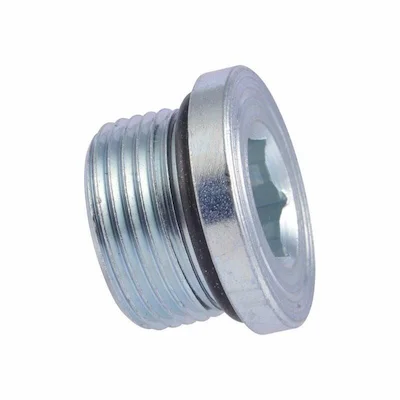
Plug display


Common Pipe Plug Applications